

Plan a timeless Cincinnati wedding with guidance on Southwest Ohio venues, tented events, budgets, seasons, design, guest experience, and logistics
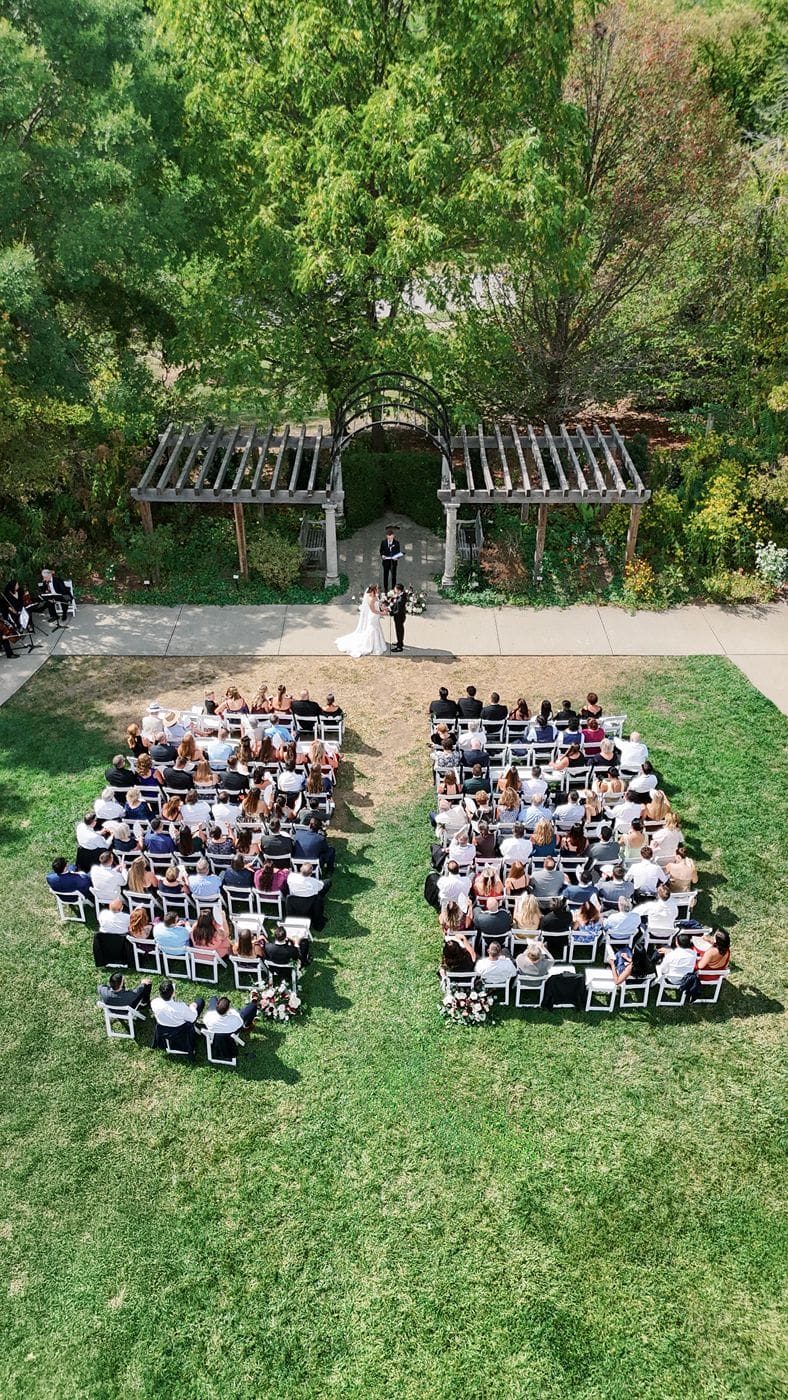
A wedding in Cincinnati offers an incredible foundation for a celebration that feels personal, considered, and beautifully designed. As a wedding planner in Cincinnati, we know that the most memorable weddings are shaped by more than a beautiful venue or a thoughtfully chosen color palette. They are built around the experience you want to create the way you want your guests to feel, and the details that make the celebration distinctly yours.
Cincinnati wedding planning comes with an impressive range of possibilities. Historic estates, grand hotels, art institutions, gardens, country clubs, and distinctive neighborhoods each offer their own character and possibilities for design. Whether you are envisioning a grand ballroom reception, a garden ceremony followed by dinner under a tent, a sophisticated hotel celebration, or a private estate wedding, the planning process becomes much easier when you have a clear vision, realistic budget, thoughtful timeline, and team of vendors working together.
This guide explores the key elements of Cincinnati wedding planning, including finding the right venue, establishing your budget, navigating Cincinnati seasons, building your vendor team, developing your wedding aesthetic, creating a thoughtful guest experience, and understanding where professional planning and design support can elevate the entire process.
Clarifying Your Vision: The Foundation of a Beautiful Celebration
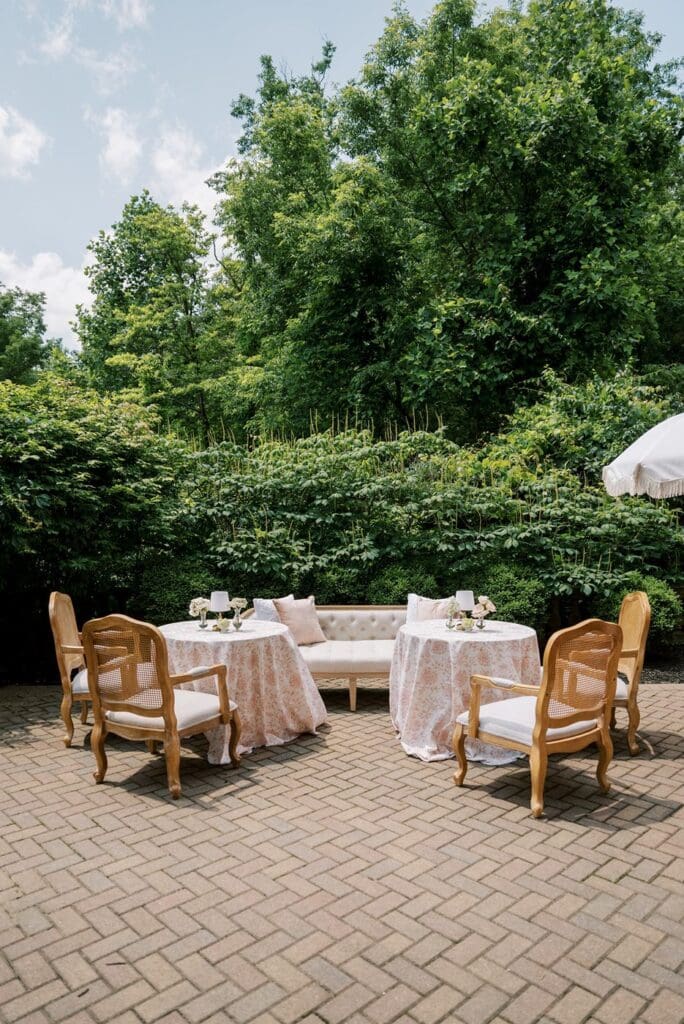
Before you start thinking about linens, flowers, or color palettes, it helps to take some time to think about the experience you want to create. The most cohesive weddings are the ones that feel like you, and that starts well before the décor.
How do you want your wedding to feel?
Do you picture a grand celebration in a historic ballroom? A garden ceremony followed by dinner beneath a sailcloth tent? A sophisticated hotel wedding overlooking the Cincinnati skyline? A formal estate celebration surrounded by beautiful grounds?
These decisions begin shaping the wedding long before you select a centerpiece or approve a menu.
Your vision influences nearly every decision that follows. Your ceremony time affects photography and guest comfort. Your guest count influences venue options and catering costs. Your venue influences your design direction. Your preferred atmosphere can help determine whether a historic estate, hotel, museum, garden, or private property is the right fit.
Start with experience, not aesthetics
It is easy to begin wedding planning by saving images on Pinterest and Instagram. While inspiration can be helpful, those images can also make it difficult to determine what actually feels like you.
Instead, begin with the experience.
How do you want guests to feel when they arrive? Do you want the evening to feel formal and celebratory, warm and inviting, or energetic and social? Do you imagine a beautifully paced dinner with lingering conversation, a packed dance floor, or a combination of both?
These answers influence decisions throughout the planning process, including your ceremony timing, menu format, entertainment, wedding party size, seating arrangements, dress code, and overall flow of the day.
A beautifully designed wedding should also feel comfortable and welcoming.
That might mean thoughtfully planned transitions between events, comfortable ceremony seating, clear signage, attentive staffing, a beautifully appointed lounge, or thoughtful touches that anticipate what guests may need throughout the celebration.
Developing your wedding aesthetic
Once you have established how you want the celebration to feel, you can begin translating that feeling into a visual direction.
Instead of immediately choosing specific floral arrangements or table designs, consider the spaces, architecture, materials, and environments you naturally gravitate toward.
Do you love the grandeur of a historic estate? The architecture of an art museum? The character of an old Cincinnati neighborhood? The polished atmosphere of a beautiful hotel? The romance of a garden? The organic feeling of a private property beneath a sailcloth tent?
Your wardrobe can also reveal a great deal about your personal aesthetic. Perhaps you gravitate toward clean lines, soft neutrals, rich textures, dramatic color, traditional silhouettes, or unexpected combinations.
These preferences become the foundation for your wedding design.
When creating a mood board, focus on textures, tones, shapes, architecture, lighting, and atmosphere rather than collecting dozens of nearly identical centerpiece photographs.
Think about the way candlelight reflects across glassware. The contrast between textured linens and polished tableware. The relationship between stone architecture and loose floral arrangements. The negative space surrounding a beautifully designed table.
These are the details that create a cohesive visual language while giving your design room to evolve with your venue and season.
Creating a celebration that feels intentional
A beautifully planned wedding does not need to feel overly decorated.
Intentionality comes through in the relationship between the venue, design, food, entertainment, stationery, and guest experience.
A wedding at a historic Cincinnati property might allow the architecture to take center stage, with carefully considered florals, candlelight, and linens complementing the existing character of the space.
A tented wedding might offer an entirely different opportunity, allowing the design team to create the environment from the ground up through flooring, lighting, rentals, florals, tablescapes, and furnishings.
The goal is not simply to fill a room. It is to create an environment that feels complete.
Creating a priorities list that makes sense
Once you have established your vision and aesthetic, create two lists.
Non negotiables: Your preferred season, venue style (for example, a historic property or a tented celebration), approximate guest count, ceremony format, entertainment preferences, dinner experience, or any other elements that are particularly important to you.
Nice to haves: An espresso martini bar, vinyl wrapped dance floor with a custom monogram, statement floral installation, live ceremony musicians, or late night food.
Keeping these categories separate makes decision making much easier as the planning process progresses.
Your priorities become a filter for every decision, helping you determine where your investment will have the greatest impact.
Building a Realistic Planning Timeline for Cincinnati Weddings
Beautifully designed weddings require thoughtful planning, particularly when your celebration involves a sought after venue, a large guest count, a complex design installation, or a tented setting.
In Cincinnati, couples planning a Saturday wedding during the most popular wedding months will generally benefit from giving themselves ample planning time.
How far in advance to plan your Cincinnati wedding
A 12 to 18 month planning window is ideal if you have your heart set on a particular date, venue, photographer, band, or floral designer.It is especially helpful for weddings involving historic properties, private estates, tented celebrations, or multiple wedding events.
A 9 to 12 month timeline can provide plenty of room for thoughtful planning while still allowing you to build a cohesive design and vendor team.
A 6 to 9 month timeline can also work beautifully when you have flexibility with your date or venue.
The most important thing is understanding that your timeline should reflect the complexity of your wedding, not simply the number of months remaining.
Your wedding planning timeline, At a Glance
Every wedding has its own rhythm, but the following framework provides a helpful starting point for Cincinnati wedding planning.
Twelve to eighteen months out: Establish your vision, approximate guest count, preferred season, venue style, and budget. If you are considering a wedding planner for full planning & desin, bringing your planner into the process early allows your vision, venue selection, budget, and design direction to develop together. Secure your venue (or property, if you’re hosting at home) and for outdoor celebrations, confirm your tent provider and any essential infrastructure partners.
Nine to twelve months out: Book your primary creative partners, including catering, photography, videography, entertainment, and floral design. Begin developing your design direction and consider the larger visual elements of the celebration. For destination weekends, reserve room blocks that match your style and budget
Six to nine months out: Refine your design with your planner and creative team. Select linens, rentals, specialty décor, lighting, stationery, and signage. Begin attire shopping for both you and your wedding party and confirm transportation needs.
Three to six months out: Finalize your menu and bar experience. Develop your ceremony details, refine your wedding day timeline, finalize stationery and send invitations, and confirm hair and makeup.
Zero to three months out: Finalize your seating plan, floor plan, escort display, and day of stationery. Confirm final guest counts and floor plans, vendor logistics, setup schedules, and photography plans. Your planner should be actively managing the details leading into the wedding so you can focus on enjoying the experience.
Cincinnati factors that impact wedding planning
Cincinnati weddings are influenced by the city’s busy social calendar, popular wedding seasons, venue availability, and weather. If you have guests traveling into the city, it is worth looking at the local event calendar when selecting your date. The Cincinnati Bengals and Reds game schedules can bring additional visitors into the city, which may affect hotel availability and transportation logistics. Holidays weekends can also be particularly competitive for hotels and popular venues, so couples considering Memorial Day or Labor Day weekend should plan accordingly and secure key vendors early
Popular spring and fall dates can book quickly, particularly for sought-after venues and experienced creative vendors.
Summer celebrations require thoughtful consideration of heat, humidity, outdoor ceremony comfort, and weather contingencies. Fall brings beautiful seasonal color and comfortable temperatures, while winter opens the door to candlelit interiors, layered textures, and dramatic floral palettes.
For outdoor and tented celebrations, weather planning should happen well before the wedding day. Your plan should account for rain, wind, temperature changes, flooring, heating or cooling, and guest comfort.
Budgeting for a Beautiful Cincinnati Wedding
Your wedding budget should support the experience you want to create.
Rather than assigning equal importance to every category, think carefully about where your investment will have the greatest visual and experiential impact.
How your guest count affects your Cincinnati wedding budget
Guest count is one of the most significant factors in wedding budgeting.
Every additional guest affects food, beverage, rentals, stationery, staffing, transportation, and the overall scale of your venue and design.
A larger guest count may require a larger venue, expanded floral arrangements, additional staffing, more substantial transportation plans, and a larger dance floor.
Understanding your guest count early allows your planner to build a much more accurate picture of what your wedding can realistically look like.
Where your budget has the most impact
For couples investing in full planning and design, several areas can make a significant difference.
Venue: A venue with beautiful architecture or grounds can provide an incredible foundation for your design.
Food and beverage: Guests remember the hospitality and dining experience long after the evening ends.
Photography and videography: Your imagery becomes the lasting visual record of the celebration.
Floral and décor: These elements transform the environment and establish the overall aesthetic.
Planning and design: A professional planning and design team brings together the creative and logistical pieces, ensuring that the investment you make across the wedding works together cohesively.
Costs that often surprise couples
Tented and private estate weddings require particular attention because the venue infrastructure may need to be created specifically for your celebration. With a tented and private residence wedding, we are essentially building a venue from the ground up.
You may need to account for tables, chairs, linens, china, glassware, flatware, bars, dance floors, staging, lounge furniture, generators, catering infrastructure, restroom trailers, waste management, parking, transportation, and lighting.
Weather contingencies may also require additional flooring, sidewalls, heaters, fans, or alternate spaces.
Even traditional venues can have additional service charges, taxes, overtime fees, staffing costs, transportation expenses, and rental upgrades that are easy to overlook when creating an initial budget.
Using your budget to support your aesthetic
A well considered budget gives you the freedom to make intentional design decisions.
Rather than trying to include every beautiful detail you see online, determine which elements will have the greatest effect on your overall celebration.
Beautiful linens may completely transform a reception room. Thoughtful lighting can change the atmosphere of an entire venue. Carefully selected florals can draw attention to architectural features. A custom dance floor can become a defining design element.
The goal is to create a wedding where every investment feels purposeful.
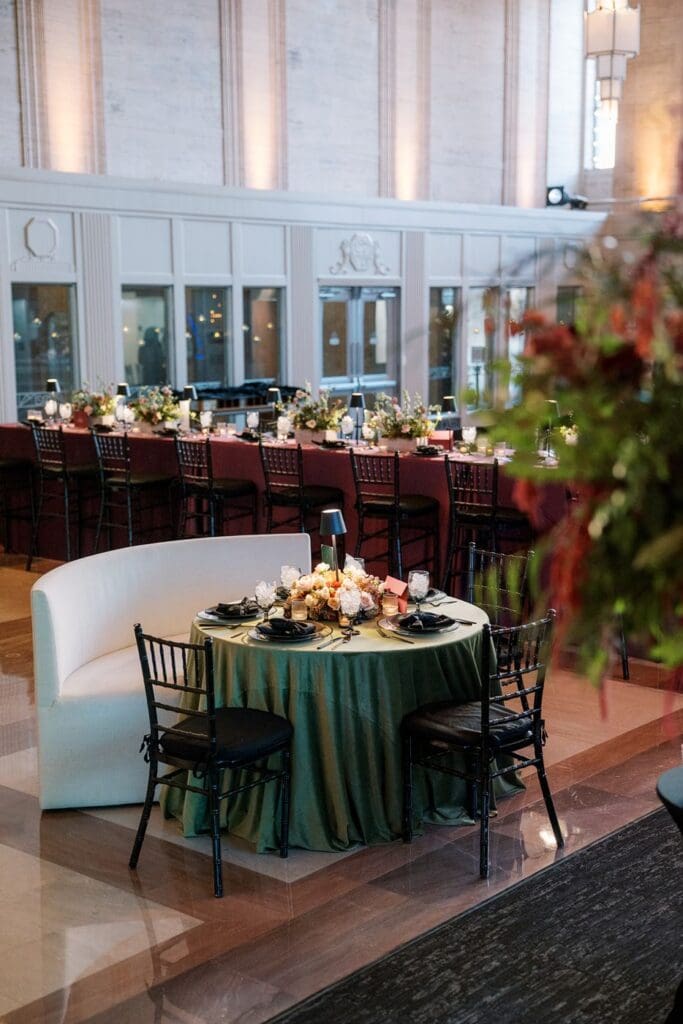
Choosing the Right Location: Cincinnati and the Surrounding City
Your venue shapes nearly every aspect of your wedding.
It influences your guest experience, design direction, budget, photography, floor plan, catering, entertainment, and overall atmosphere.
Cincinnati offers a particularly diverse collection of wedding venues, which means couples can select a setting that genuinely complements their vision.
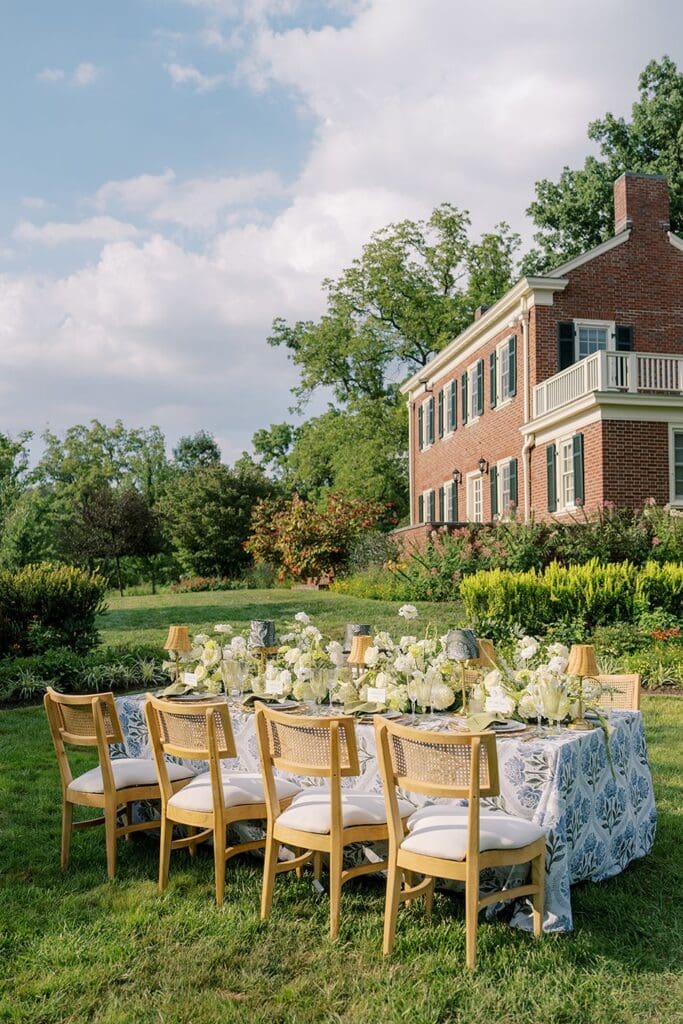
Common venue styles in Cincinnati
Historic estates and private properties: Cincinnati is home to beautiful historic properties and estates that provide architecture, gardens, and grounds that can become an integral part of the wedding design. Peterloon Estate and Meshewa House offer the type of setting that allows couples to create a celebration with a strong sense of place.
Hotels and private clubs: Downtown Cincinnati offers polished venues suited to formal celebrations, guest accommodations, and wedding weekends. Lytle Park Hotel is one example of a setting where the architecture and hospitality can become part of the overall experience.
Museums and cultural venues: Cincinnati’s cultural institutions provide distinctive architectural backdrops and opportunities for couples who want their venue to play a meaningful role in the design.
Gardens and outdoor settings: Gardens and park properties offer natural scenery for ceremonies, portraits, cocktails, and outdoor receptions.
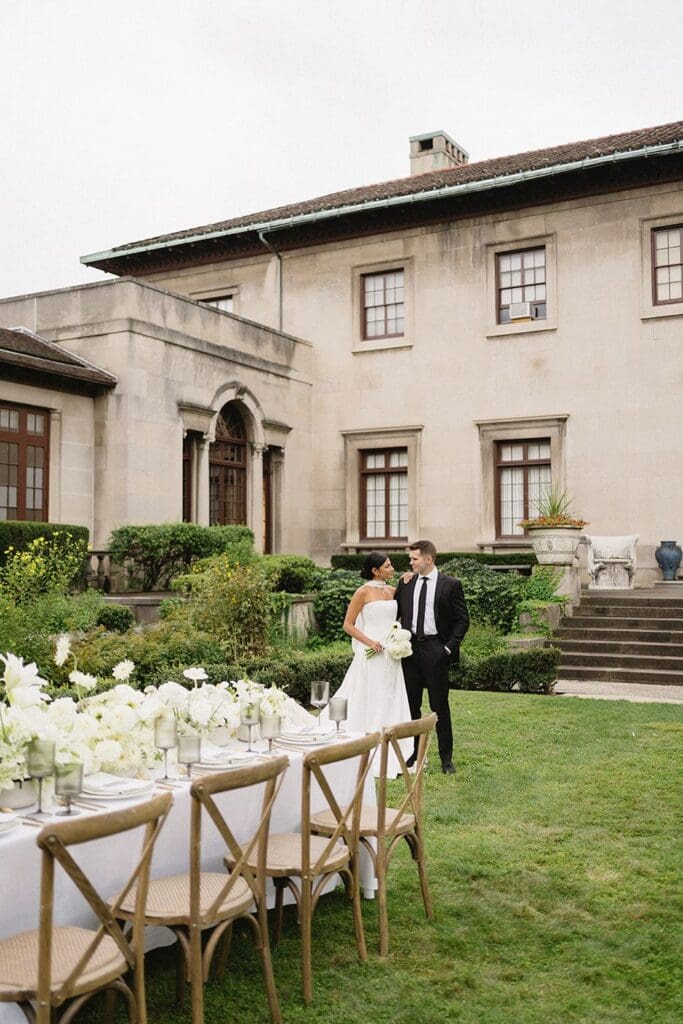
Cincinnati venue archetypes to consider
Historic estates: Grand architecture, sweeping staircases, beautiful grounds, and established landscaping create a strong foundation for sophisticated wedding design.
Downtown venues: Cincinnati’s urban core offers city views, historic architecture, hotels, restaurants, and cultural institutions that can create a polished wedding weekend.
Garden settings: Outdoor ceremonies surrounded by mature landscaping can provide a natural starting point for floral and décor decisions.
Private properties: A private estate or residence offers the ability to create an entirely custom experience, particularly when paired with a thoughtfully designed tented reception.
Private estates and at home weddings
Private property weddings can offer an exceptional level of personalization.
Instead of adapting your celebration to a traditional event space, your planning and design team can thoughtfully consider the entire property.
The ceremony might take place in a garden. Cocktails might unfold on a terrace or lawn. Dinner might be designed beneath a sailcloth tent. Dancing could continue beneath the tent later in the evening with carefully layered lighting and a custom floor plan.
The experience can feel highly personal because every area has been intentionally considered.
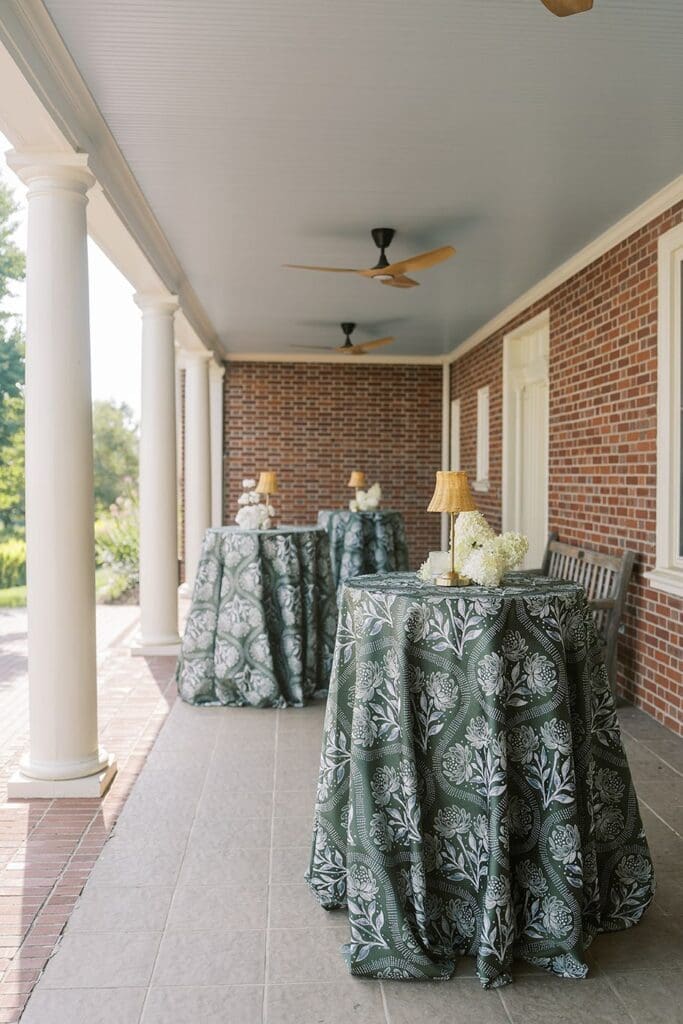
How to evaluate a venue
When touring a Cincinnati venue, look beyond the standard floor plan.
Architecture and natural light: Does the space have visual character before décor is added? How does the light change throughout the day?
Capacity: Does the space comfortably accommodate your guest count while still allowing the room to feel full and beautifully proportioned?
Service and catering: How does the venue approach hospitality? Are dietary needs handled thoughtfully? Does the service team communicate clearly?
Flexibility: Ask about floor plans, candles, hanging installations, outside vendors, entertainment, floral installations, and specialty rentals.
Key questions to ask during site visits
Beyond availability, pricing, rental inclusions, and catering requirements, ask about the operational details that could affect your wedding experience. What are the venue’s rules for amplified music? How late can the band or DJ play? Are they specific music curfews or noise restrictions? Is there a maximum permitted sound level, and where is that level measured? If your reception will be outdoors or under a tent, are there additional requirements for amplified sound?
For outdoor venues, ask specifically about rain plans and whether tents are permitted.
If you are considering a tented wedding, ask where a tent could be placed, whether staking is possible, how much space is available for catering and restrooms, and whether the property has sufficient access for vendor load in.
Understanding these details before you book can help you avoid building a wedding design or timeline around something the property cannot accommodate.
Navigating Cincinnati Weather and Seasonality
Cincinnati experiences four distinct seasons, sometimes in the same week, and each offers its own opportunities for wedding design.
Rather than trying to make your wedding feel like another season, embrace the season you have chosen and let it influence the atmosphere.
Season by season: what to expect
Spring: Spring brings flowering trees, fresh greenery, and beautiful garden settings. Rain and changing temperatures should be considered when planning outdoor ceremonies and receptions.
Summer: Long days create plenty of opportunities for outdoor celebrations. Heat and humidity make shade, water, fans, and thoughtful ceremony timing particularly important.
Fall: Fall is a beautiful choice for Cincinnati weddings, with changing foliage, comfortable temperatures, and naturally rich color palettes. Candlelight, textured linens, and seasonal florals work beautifully during this season.
Winter: Winter creates an opportunity for beautiful celebrations with candlelight, layered textures, seasonal florals, and striking indoor venues.
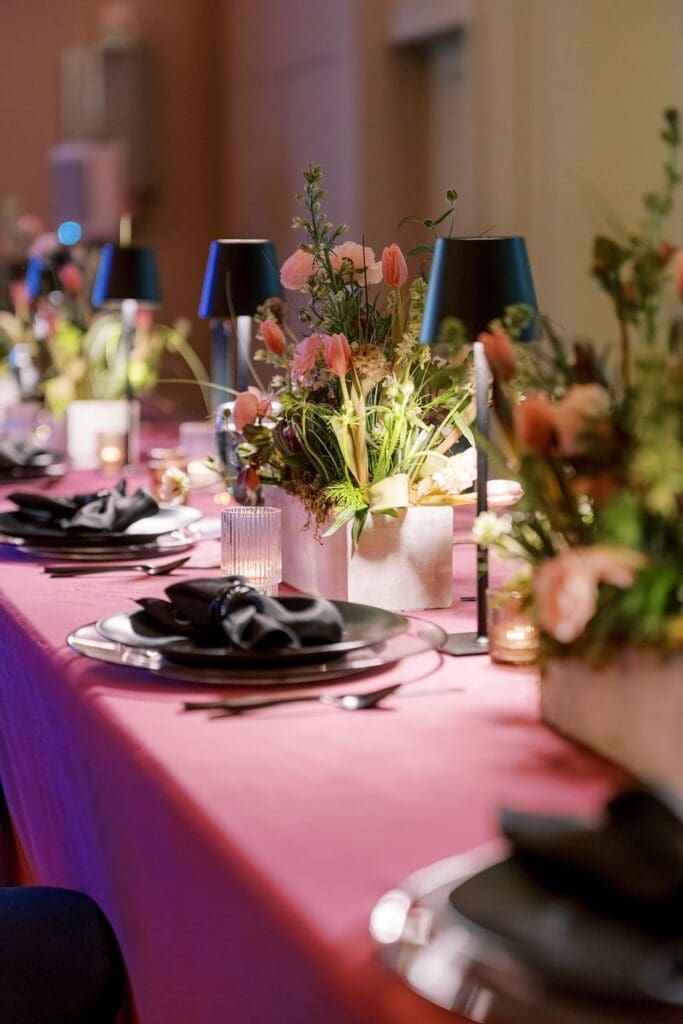
Ceremony timing, light, and photography
Light has a significant impact on both the atmosphere of your wedding and your photographs.
Work with your photographer and planner to understand how the light changes at your Cincinnati venue throughout the day.
If you want outdoor portraits during golden hour, your ceremony and cocktail hour timing should account for sunset.
A first look can provide additional flexibility for portraits and allow you to spend more of cocktail hour with your guests.
Weather resilient planning for tented and outdoor weddings
Outdoor and tented celebrations are possible and always beautiful but require thoughtful contingency planning.
A sailcloth tent can create a beautiful setting for a Cincinnati wedding, particularly on a property with expansive grounds. Its sweeping peaks and translucent fabric can allow natural light to filter through during the day while creating a beautiful atmosphere once the sun goes down.
However, the tent is only one part of the infrastructure.
Your planning team should consider flooring, lighting, power, catering access, restrooms, temperature control, rain plans, guest transportation, and vendor load in.
For warmer months, fans and proper airflow can make a significant difference. For cooler evenings, heaters and sidewalls can help maintain guest comfort.
Most importantly, establish your weather plan well before the wedding day so decisions can be made calmly and communicated clearly.
Planning With or Without a Wedding Planner
Planning a wedding involves hundreds of decisions, and full planning and design goes well beyond managing a timeline.For couples who want a highly considered celebration, a planner becomes the person connecting the creative vision with the logistics required to execute it.
What full service planners handle for your Cincinnati wedding
A full planning and design experience can include refining your vision, selecting the venue, developing the budget, curating your vendor team, managing contracts, developing the design, creating floor plans, coordinating production, managing timelines, and overseeing the wedding day.
The design side is equally important.
Your planner should help translate your aesthetic into tangible decisions about linens, color palettes, florals, rentals, stationery, lighting, tablescapes, ceremony design, and guest experience.
The result should feel cohesive because the decisions have been made as part of one larger design vision.
When a planner is especially worth considering
Professional planning support becomes particularly valuable when you are hosting a tented wedding, private estate celebration, large guest count, complex production, or multiple wedding events.
It is also helpful when you want to be fully present with your family and guests rather than spending your engagement managing vendor emails, contracts, floor plans, and logistics.
Different levels of planning support
There are several ways couples can approach planning support, but full planning and design is the most comprehensive option.
With full planning and design, your planner becomes involved early and remains connected to the major decisions throughout the entire process.
This approach is particularly well suited to couples who want a cohesive design, carefully curated vendor team, detailed logistics, and professional oversight throughout the planning process.
What to look for when choosing a wedding planner.
Look closely at the planner’s portfolio and process. Do you see celebrations with a similar design to what you’re envisioning? Do their weddings demonstrate thoughtful use of color, texture, scale, lighting, linens, florals, and décor?
Consider communication as well. You want a planner who listens carefully, communicates clearly, understands your priorities, and can explain how they will bring your vision to life.
Most importantly, look for a wedding planner whose approach aligns with how you want your wedding to feel.
Curating a Cohesive Vendor Team
A beautifully executed wedding is the result of many professionals working together. Your planner should understand not only the individual strengths of each vendor, but also how those vendors need to work together to create one cohesive experience.
Why fit matters more than popularity
A vendor can have an impressive portfolio and still not be the right fit for your wedding.
Consider aesthetic compatibility, communication, service, professionalism, and experience with the type of celebration you are planning.
Your photographer should understand the visual direction. Your floral designer should understand the scale of your venue. Your caterer should understand the pace and style of the dinner you want to create.
The strongest vendor teams feel collaborative.
Key vendor categories for a beautifully designed wedding
Photography and videography: Look for artists whose work captures genuine moments while also documenting the architecture, design, details, and atmosphere of the day.
Catering and bar: Food and beverage are a major part of hospitality. Consider how the menu, presentation, service style, and bar experience fit your overall vision.
Floral and event design: Your floral designer should understand scale, color, texture, seasonality, and how arrangements interact with the venue.
Music and entertainment: Entertainment shapes the energy of the celebration. Consider the experience you want during the ceremony, cocktails, dinner, and dancing. Live ceremony music, a string quartet, a band or DJ for dancing, each combination requires different technical setups. Make sure your venue and production team are aligned on power, volume limits, and stage requirements.
Stationery and day of paper: Your stationery introduces your wedding aesthetic before guests ever arrive. Invitations, menus, place cards, escort displays, and signage should feel connected.
Hair, makeup, and attire: Your beauty and wardrobe choices should feel intentional and personal while allowing you to feel like yourself throughout the day.
Working with Cincinnati vendors
For a Cincinnati wedding, working with a team of local professionals offers the advantage of shared knowledge.
Your planner can help you identify vendors who understand Cincinnati venues, local logistics, seasonal considerations, and the level of service you want to provide your guests.
Questions to ask when interviewing vendors
Ask about their process, availability, communication style, experience with your venue, collaboration with planners, contingency plans, and what is included in their services.
Read contracts carefully and make sure you understand hours, overtime, travel, setup, teardown, deliverables, and additional fees.
Designing a Beautiful Aesthetic: Décor, Florals, and Details
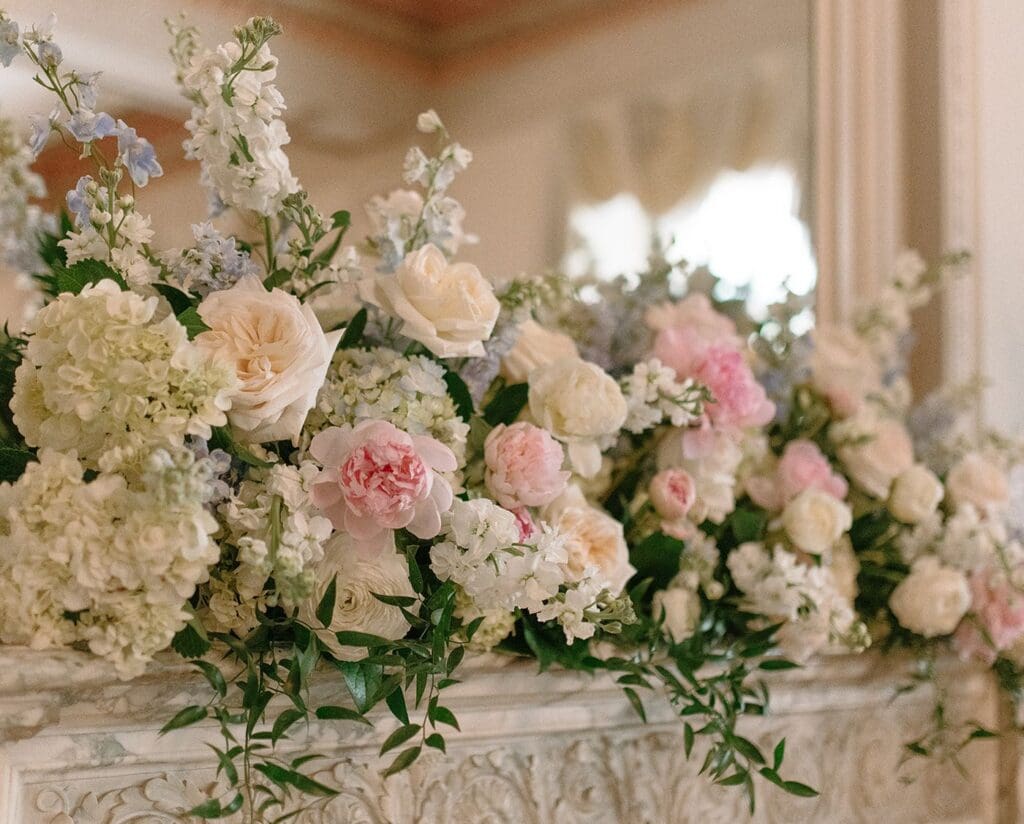
A sophisticated wedding design is not about adding more. It is about proportion, balance, texture, color, and thoughtful material choices. What maters is that the design eels cohesive with your venue, season and style.
Principles of thoughtful wedding design
Choose fewer, better elements. A few beautifully executed design moments often have more impact than a room filled with competing details.
Keep your palette focused. A sophisticated color palette does not need to be neutral. Rich color can feel incredibly considered when balanced with the architecture and surrounding details.
Pay attention to scale. A floral installation should feel appropriate to the architecture. A centerpiece should complement the table rather than overwhelm it. Décor should enhance the venue rather than compete with it.
Color palettes that work well in Cincinnati venues
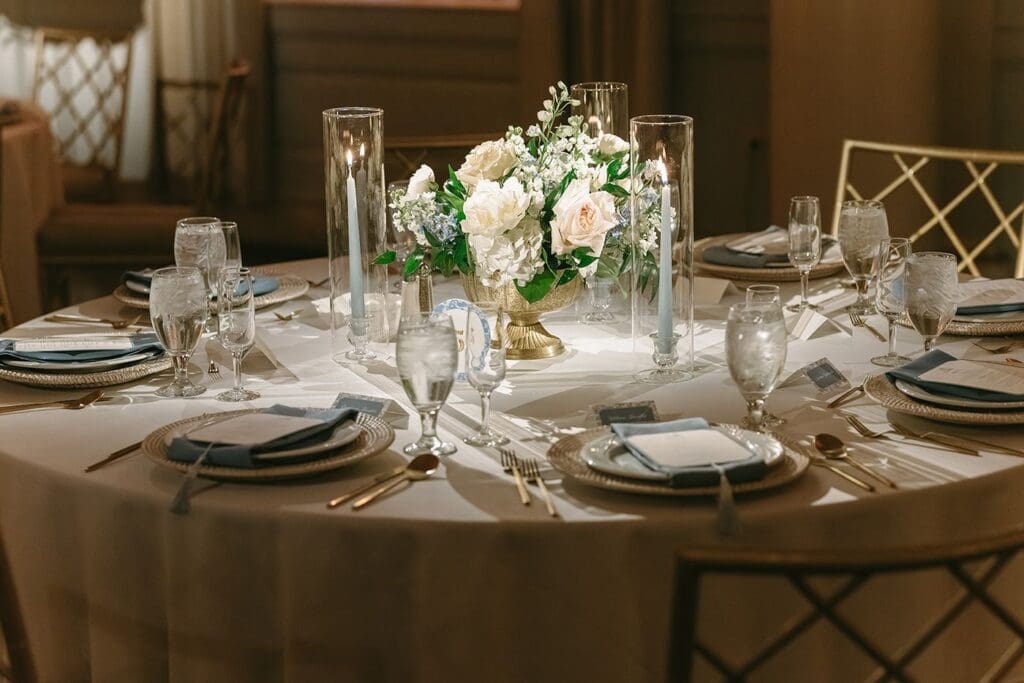
Soft ivory, warm white, taupe, muted greens, soft blue, and natural tones can complement historic architecture and garden settings beautifully.
Deeper shades such as burgundy, aubergine, navy, forest green, and charcoal can create depth during fall and winter celebrations.
Cincinnati also offers opportunities to incorporate subtle references to the city without turning the wedding into a theme. Architectural details, neighborhood character, historic materials, and the natural landscape can all inspire a palette or design element.
Florals and greenery through the seasons
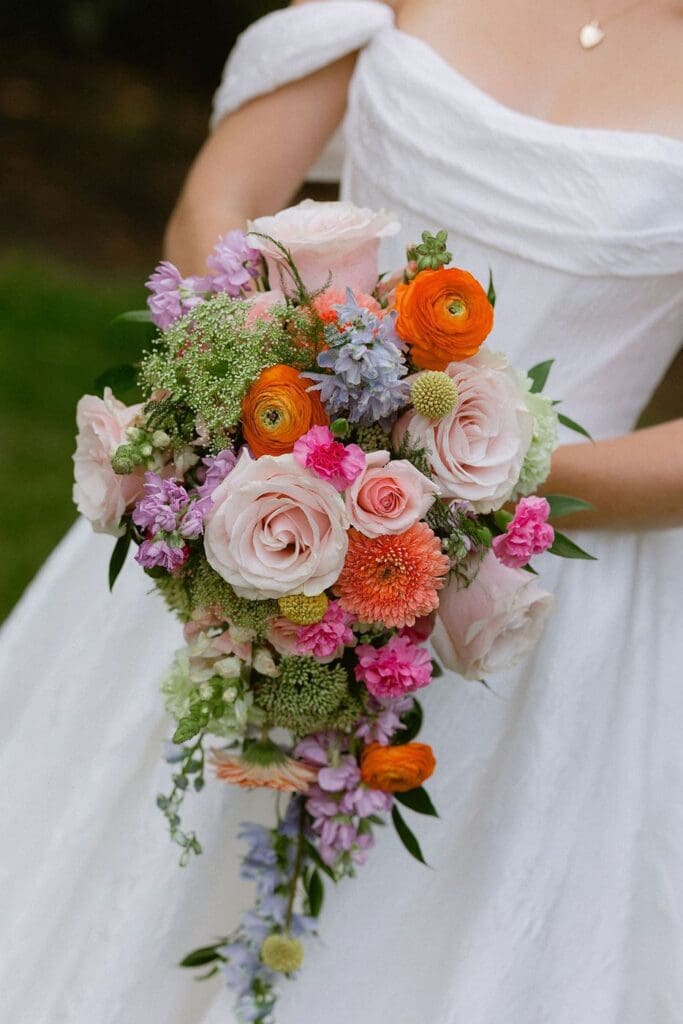
Spring: Tulips, ranunculus, flowering branches, lilac, sweet pea, and hellebores can create a fresh seasonal look.
Summer: Garden roses, peonies, dahlias, lisianthus, delphinium, and abundant greenery offer opportunities for lush floral compositions.
Fall: Dahlias, seasonal foliage, berries, mums, and deeper tones create beautiful texture and depth.
Winter: Evergreen, amaryllis, anemones, paperwhites, and hellebores pair beautifully with candlelight and richer textiles.
Always consider your venue when selecting floral scale. A grand staircase may call for a substantial installation, while a more intimate architectural detail might benefit from something quieter.
Tablescapes and rentals: where guests spend their time
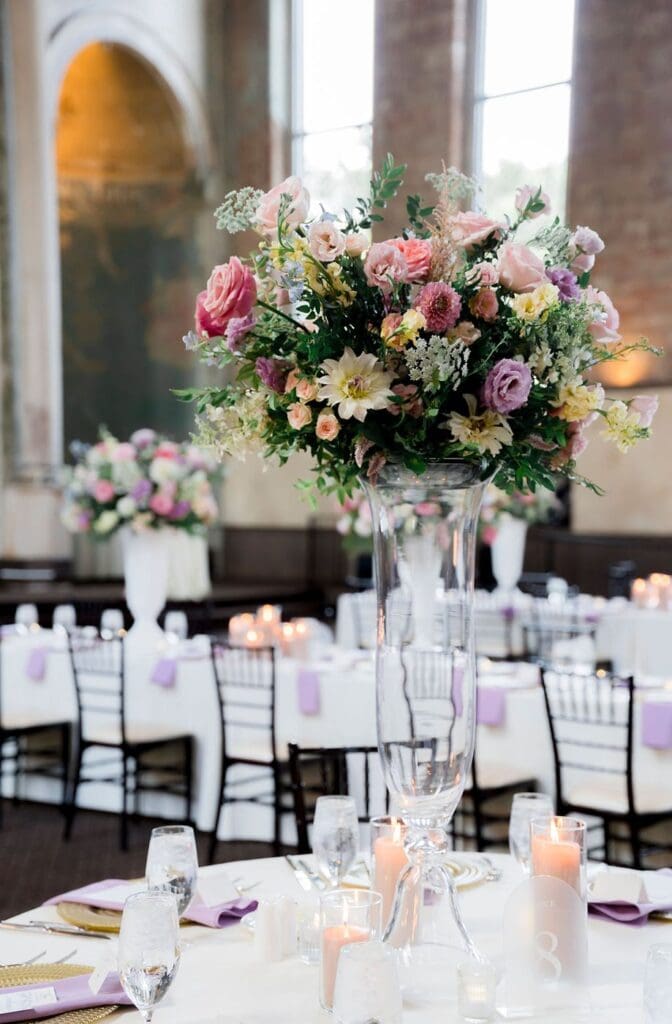
Guests spend a significant portion of the reception at their tables, which makes the tablescape one of the most important design elements.
Linens create the foundation. Upgraded tablecloths and napkins can dramatically change the appearance of a reception room.
Layering creates dimension. China, flatware, glassware, menus, candles, florals, and place settings should work together rather than compete.
Texture adds depth. Linen, paper, glass, metal, ceramic, and floral materials create visual interest when thoughtfully layered.
Space matters. Beautiful tables should still feel comfortable. Guests need room for their plates, glassware, and conversation.
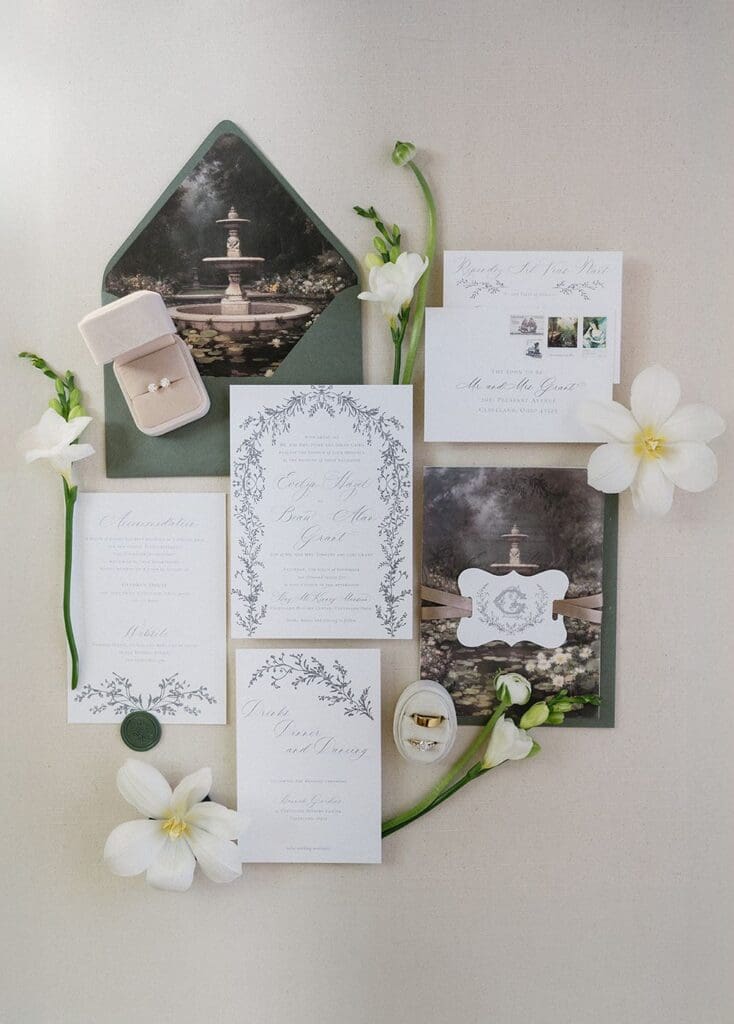
Signage, stationery, and your event’s visual language
Your stationery establishes the first impression of your wedding.
Your invitation suite, menus, place cards, escort display, and signage should feel like part of the same visual story.
For a Cincinnati wedding, subtle references to the venue can add personality. A custom illustration of the estate, architectural detail, neighborhood, or ceremony location can create something personal without feeling overly themed.
Design choices that tend to age well
Trends can absolutely have a place in wedding design, but they should be considered within the context of your larger aesthetic.
Prioritize beautiful materials, strong typography, thoughtful proportions, quality linens, intentional florals, meaningful details, and design choices that complement your venue.
Avoid adding elements simply because they are popular if they do not contribute to the overall experience.
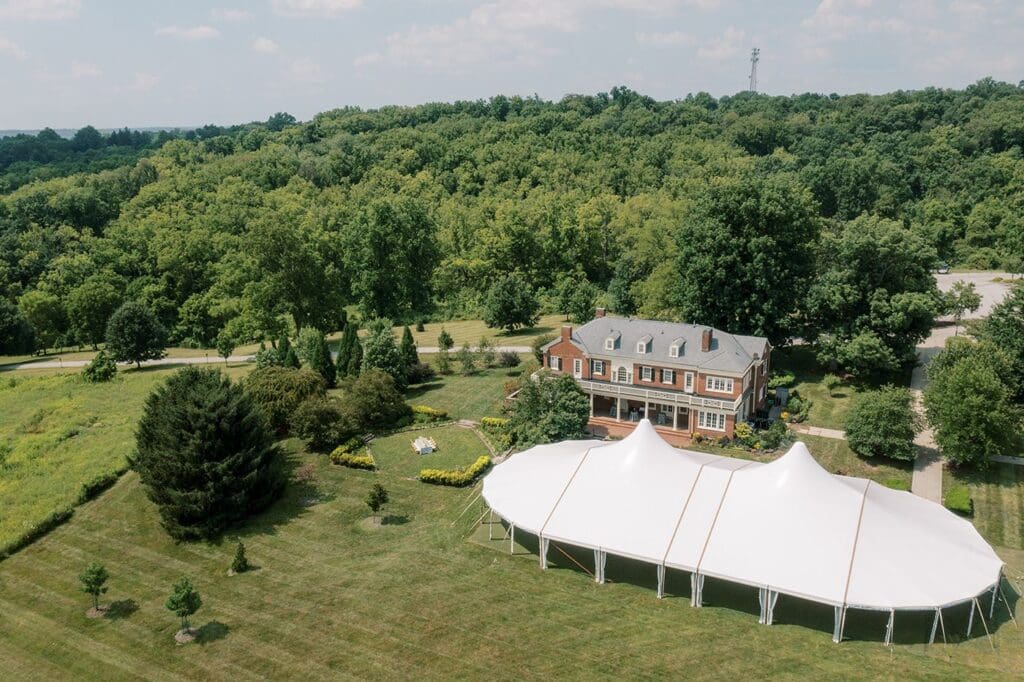
Tented, Private Estate, and At Home Weddings in Cincinnati
Tented and private estate weddings offer an incredible opportunity for customization.
Rather than working within a traditional reception room, you have the ability to thoughtfully create the environment around your celebration.
The setting becomes part of the design.
What makes estate and tented weddings so special
A private property can allow the wedding to unfold across several areas of the property.
Guests might arrive for cocktails on the lawn, move into dinner beneath a sailcloth tent, and transition into dancing surrounded by layered lighting and beautifully designed furnishings.
The experience can feel highly personal because every space has been considered specifically for your celebration.
Logistical layers to account for
A Cincinnati estate or private property wedding may require planning for:
Power: Generators may be needed for entertainment, lighting, catering, and restrooms.
Catering infrastructure: Catering teams may require refrigeration, a dedicated prep tent, dishwashing, ice, and waste management.
Restrooms: Restroom trailers should be thoughtfully positioned with appropriate lighting and accessible pathways.
Parking and transportation: Guest parking, valet, shuttles, vendor parking as well as load-in and our, and late-night transportation should all be considered.
Permits and property requirements: Depending on the property and municipality, permits, inspections, noise requirements, and other approvals may need to be addressed.
Working with tent and rental companies
Your tent and rental partners become an important part of the planning team.
Sailcloth tents offer beautiful peaks, translucent fabric, and a softer architectural profile that works particularly well for estate and garden settings.
Frame tents provide greater flexibility with placement and configuration.
Clearspan tents create a wide open interior without center poles, which can be useful for larger installations and complex floor plans.
A strong tent company can also provide CAD drawings and layouts that help your planner visualize guest flow, dining, dancing, entertainment, bars, catering areas, and service spaces.
For Cincinnati weddings, flooring and temperature control should also be considered carefully, particularly during spring and fall.
This is where full planning and design support becomes especially valuable. There are many moving pieces behind a beautiful tented wedding, and each one needs to work together before the first guest arrives.
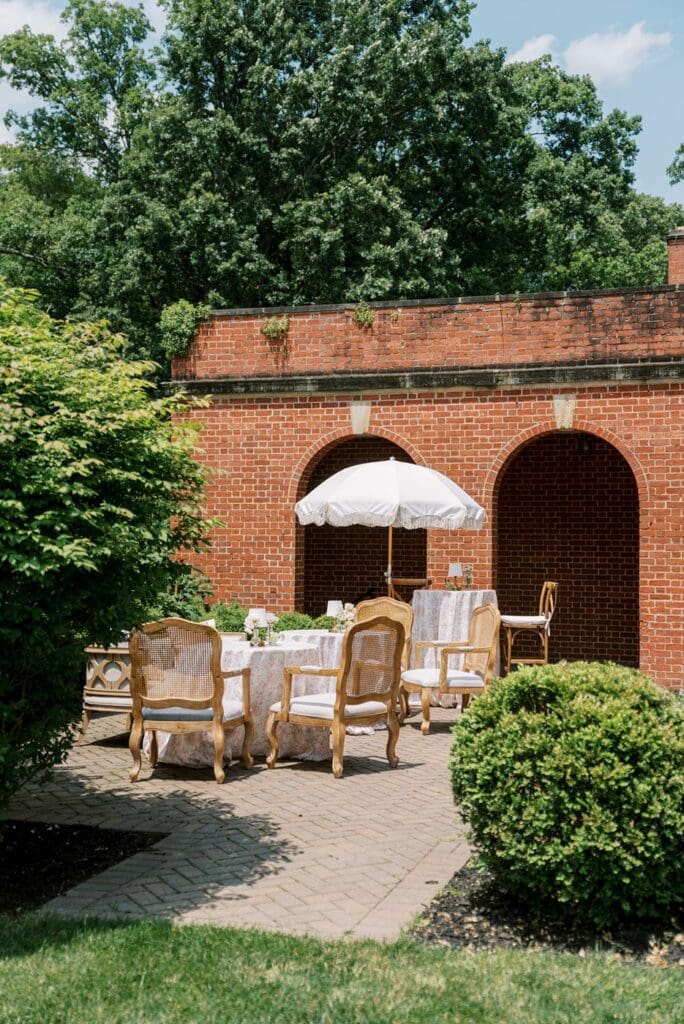
Guest Experience and Hospitality: Hosting with Intention
A beautifully designed wedding should also feel wonderful to attend.
Hospitality is reflected in the small decisions that allow guests to feel comfortable, welcomed, and cared for.
Seeing the wedding through your guests’ eyes
Walk through the wedding as though you were attending it for the first time.
How will guests arrive? Where will they park? Do they know where to go? Will someone greet them? Is the ceremony area comfortable? Will they know what happens next?
These questions can reveal logistical details that are easy to overlook when you are focused on design.
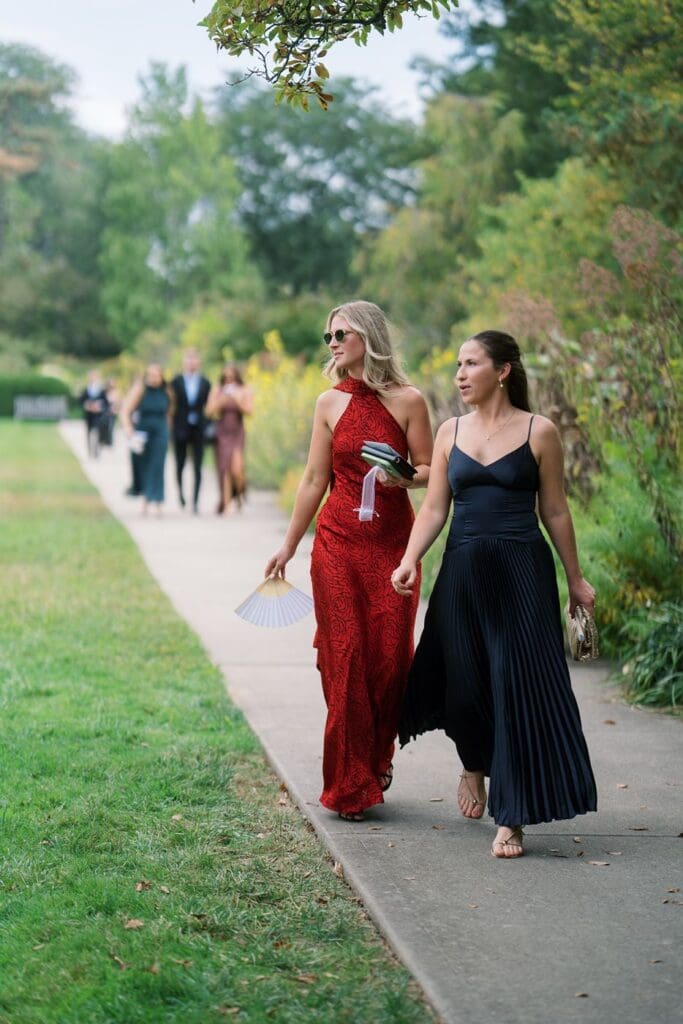
Thoughtful hospitality often looks like
Clear communication, comfortable seating, thoughtful ceremony timing, shade during outdoor events, heaters during cooler evenings, accessible restrooms, well planned transportation, and a timeline that allows guests to enjoy the celebration without unnecessary waiting.
Welcoming out-of-town guests
Cincinnati is an excellent setting for a wedding weekend, particularly when guests are traveling into the city.
Your wedding website can serve as a thoughtful guide to the city.
Consider including hotel recommendations, transportation information, parking details, dress code guidance, and suggestions for things guests can do during their free time.
Guests might explore Findlay Market, visit the Cincinnati Art Museum, spend time in Over the Rhine, walk through Smale Riverfront Park, or enjoy one of Cincinnati’s many restaurants and coffee shops.
Reserving rooms blocks in a couple of through fully chosen hotels give guests a central location and often simplifies transportation logistics. We always recommend providing welcome baskets that include a note and goodies.
Designing a guest friendly timeline
A thoughtful timeline should allow the celebration to breathe.
Avoid unnecessary gaps between events. Consider when guests will eat, when they will need transportation, and when they may want time to sit and talk.
If you are planning a high energy reception, consider providing a quieter lounge area where guests can step away from the dance floor.
Late night food, dessert, a change in bar service, or an after party can also extend the guest experience in a natural way.
Accessibility, inclusivity, and care
Thoughtful hospitality considers every guest.
Consider step free access, comfortable seating, clear pathways, dietary needs, restroom accessibility, and quieter areas away from loud music.
For families with children, consider seating, restroom access, and whether a private space for nursing or quiet time would be helpful.
These details may not always be visible in photographs, but they contribute significantly to how guests remember the wedding.
Designing Multi Day Wedding Itineraries in Cincinnati
A wedding weekend gives couples the opportunity to spend more meaningful time with the people they love.
Rather than having the wedding day carry every interaction, additional events can create space for guests to connect and enjoy Cincinnati together.
Building a wedding weekend in Cincinnati
A Cincinnati wedding weekend might begin with a welcome gathering at a favorite restaurant, a cocktail reception, or a casual gathering at the hotel.
The rehearsal dinner can create another opportunity for the closest people in your life to gather before the wedding.
The wedding day remains the centerpiece, followed by a farewell brunch or coffee gathering the next morning.
Typical flow for a Cincinnati wedding weekend
Guests arrive and check into their hotels. A welcome gathering gives everyone an opportunity to meet.
The following day brings the wedding itself, with carefully planned transportation and a timeline that allows guests to enjoy each part of the celebration.
The weekend can conclude with brunch, coffee, or another relaxed gathering.
Transportation and timing across several days
Multiple events require additional coordination.
Transportation between hotels, rehearsal dinners, welcome events, ceremony locations, and reception venues should be planned well in advance.
Clear shuttle schedules, meeting points, transportation details, and buffer time can make a significant difference in the guest experience.
Photography and Memory Making That Stand the Test of Time
Long after the flowers have been removed and the linens returned, your photographs remain.
Your photography should document not only the people, but also the architecture, design, atmosphere, and small details that made your wedding yours.
Choosing a photographer with a timeless approach
When evaluating photographers, consider:
Editing style: Look for imagery that feels natural, flattering, and consistent.
Balance of images: A strong gallery should tell the entire story, including portraits, candid moments, family photographs, architecture, details, and reception images.
Comfort with different lighting: Cincinnati weddings can involve bright outdoor ceremonies, overcast skies, indoor portraits, candlelit receptions, and evening dancing. Your photographer should be comfortable working in all of these conditions.
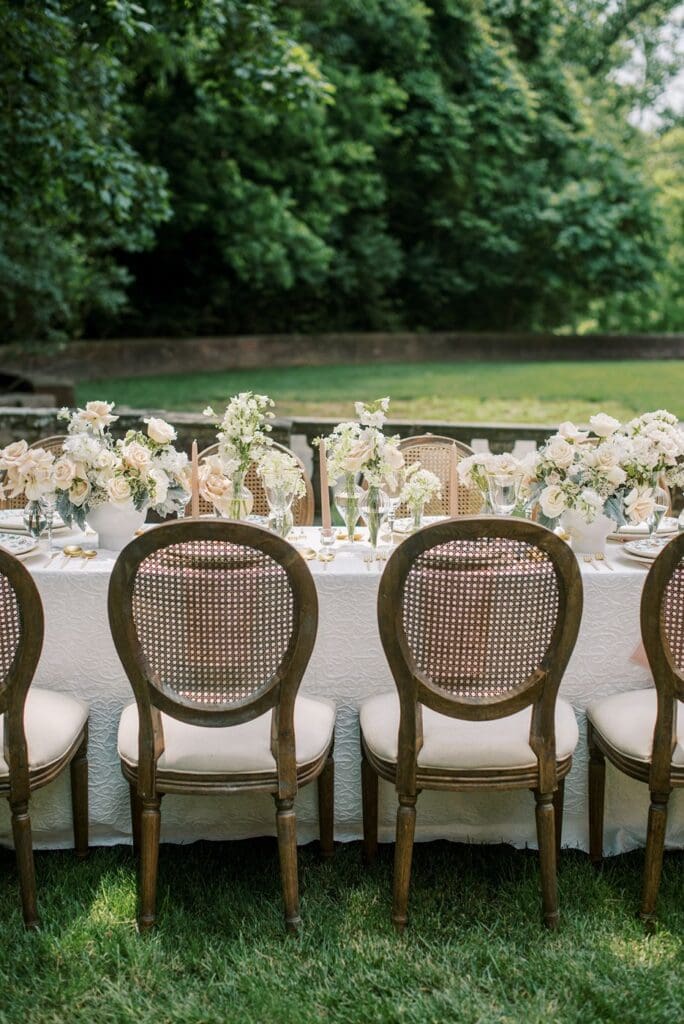
Scouting locations in Cincinnati
Cincinnati offers a variety of beautiful locations for wedding portraits.
Historic architecture, gardens, downtown streets, parks, hotel interiors, museum spaces, and private estates can all provide meaningful backdrops.
Your photographer and planner can help determine which locations best complement your venue and timeline.
Building a photo timeline that helps the day
Decide early whether you want to have a first look.
There is no right choice. The decision simply affects the structure of your day.
A first look can allow you to complete portraits and family photographs before the ceremony, while a traditional aisle reveal may create a different emotional rhythm.
Whatever you choose, a clear family photo list and well-planned portrait schedule will help keep the day moving smoothly.
Details that are held up in photos
Your attire, accessories, stationery, rings, shoes, perfume or cologne, and meaningful heirlooms all contribute to the visual story.
Gather these details together before the photographer arrives so they can be documented intentionally.
Your design details deserve the same consideration. Beautiful linens, stationery, florals, table settings, and architectural details all become part of the visual record of your wedding.
Common Pitfalls When Planning a Beautiful Cincinnati Wedding
Even the most organized couples can become overwhelmed by the number of decisions involved in wedding planning.
Knowing where couples often run into challenges can help you avoid unnecessary stress.
Letting social media dictate your vision
Pinterest and Instagram can be wonderful sources of inspiration, but they can also make your wedding feel like a collection of trends.
Return to your original vision whenever you feel overwhelmed.
Does this idea fit your venue? Does it fit your aesthetic? Does it contribute to the experience you want your guests to have?
If not, you do not need it.
Underestimating logistics, especially for tents and estates
The infrastructure behind a beautiful wedding is easy to overlook.
Power, restrooms, catering access, parking, transportation, flooring, lighting, weather plans, and vendor load in all need to be considered.
When these details are handled well, guests rarely notice them.
That is exactly the point.
Overloading the timeline with moments
A wedding does not need a constant stream of activities.
Too many speeches, performances, dances, and planned moments can make the evening feel overly structured.
Choose the moments that matter most and give them room to breathe.
Skipping professional support for complex events
Tented weddings, private estate celebrations, large guest counts, and multi day events require significant coordination. Trying to manage every detail yourself can take away from the experience of being engaged and ultimately being present on your wedding day.
A professional planning team can manage the moving pieces while keeping the design and guest experience at the center.
Overlooking guest comfort in favor of aesthetics
Beautiful décor should never come at the expense of comfort. Consider seating, temperature, shade, restrooms, food service, transportation, signage, and accessibility alongside your linens, florals, and color palette. The most successful celebrations make guests feel cared for while still looking beautifully considered.
Major last minute design changes
Once your design direction has been established and your vendors are working toward execution, significant changes can create unnecessary stress and additional expense. Small adjustments are part of the process. Large changes late in the planning process can affect rentals, florals, stationery, production, floor plans, and budget. Trust the design direction you created with your planning team unless there is a meaningful reason to reconsider it.
Creating a Wedding That Feels Like You, in Cincinnati and Beyond
A beautifully planned Cincinnati wedding is not about following a formula.
It is about creating a celebration that reflects your relationship, your priorities, your personal aesthetic, and the experience you want to share with the people you love.
When you begin with a clear vision, select a venue that supports it, establish a thoughtful budget, build the right vendor team, and develop a cohesive design, every decision becomes more intentional.
Your venue becomes part of the aesthetic. Your linens support the color palette. Your florals complement the architecture. Your stationery introduces the visual language. Your timeline supports the guest experience.
And your planner brings all of those pieces together.
Cincinnati provides an incredible setting for this kind of celebration. Historic estates, beautiful hotels, cultural institutions, gardens, private properties, and distinctive city neighborhoods offer couples countless ways to create a wedding that feels personal and considered.
Use this guide as a framework, not a checklist. Think carefully about how you want your wedding to feel. Protect the elements that matter most to you. Invest in the details that genuinely contribute to the experience.
The result should be a celebration that reflects your story while feeling thoughtfully designed at every turn.
Ready to begin your Cincinnati wedding planning?
At Avi Luxe Events, we specialize in full wedding planning and design for couples who want a beautifully considered celebration without having to manage every detail themselves.
We bring together the planning, design, vendors, logistics, and guest experience to create a cohesive wedding that reflects your vision and feels distinctly personal.
Inquire with Avi Luxe Events here to schedule a consultation and tell us about your wedding.


